
Same innovation, a different stage
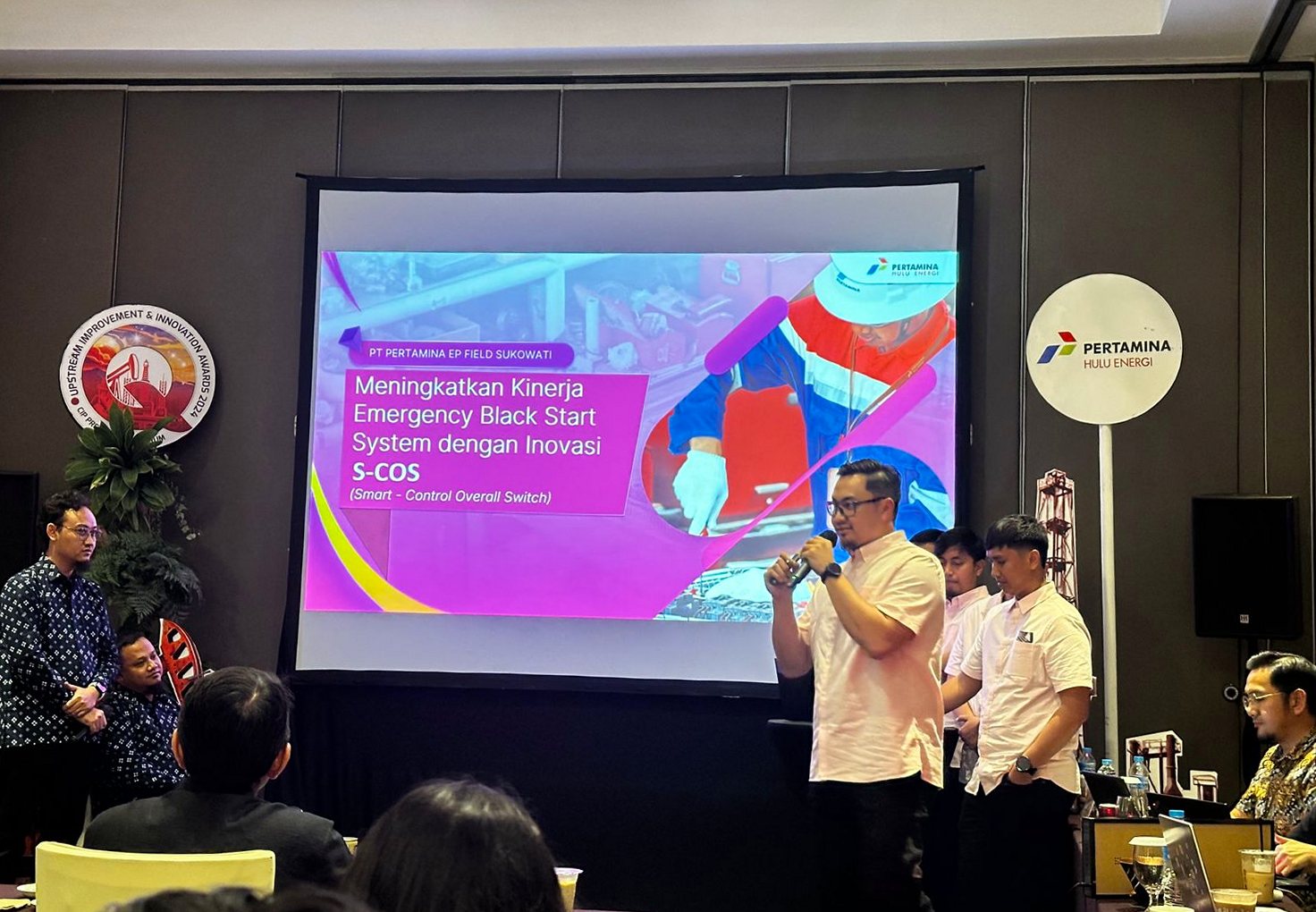
The PC Prove 05 team from Pertamina EP Cepu, Zone 11 Sukowati Field, took the S-COS innovation to CIP 2024 in Yogyakarta and won Platinum. A year later, the same innovation went to the Annual Pertamina Quality Awards (APQ) 2025.
The biggest temptation at this point is to reuse the deck, because it has already worked. In our experience, it is better to rebuild the deck for the new stage. The innovation stays the same, but how it is presented needs to fit a different event, timing and audience.
What we kept: the storyline
The order the panel knows stays the backbone of the deck. At CIP 2024, the PC Prove 05 deck moved from the blackout problem, through the fishbone analysis and the choice of solution, to the QCDHM results and standardisation. That order does not need taking apart. What needs checking is whether each part still carries the latest data and evidence.
A few things worth checking before you start:
- The format of the next event. Read the presentation rules, the time allowed and what is assessed, since these can differ from the previous forum.
- The latest data. If the innovation has been running longer, update the results with figures your team has validated.
- Feedback from the previous forum. The panel’s questions at the first forum often show which part needs a clearer explanation.
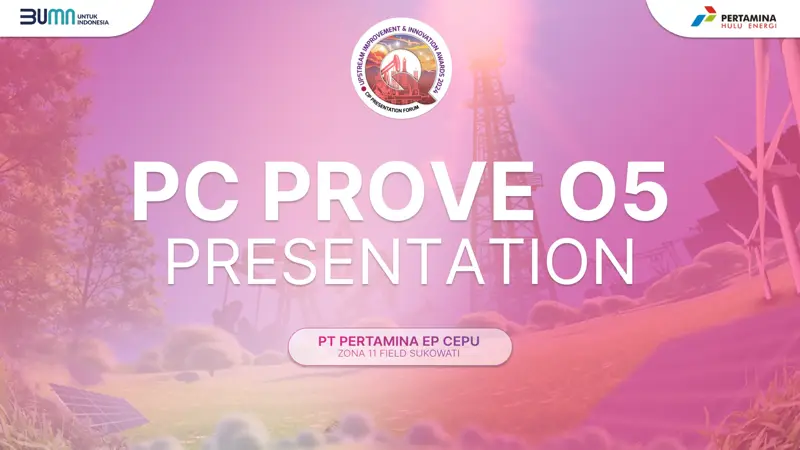 Case study · CIP 2024PC Prove 05, Platinum at CIP 2024A deck for the S-COS innovation, a smart switch that brings a power plant back from a blackout in under ten minutes.Read the Case Study
What we changed: the visual theme
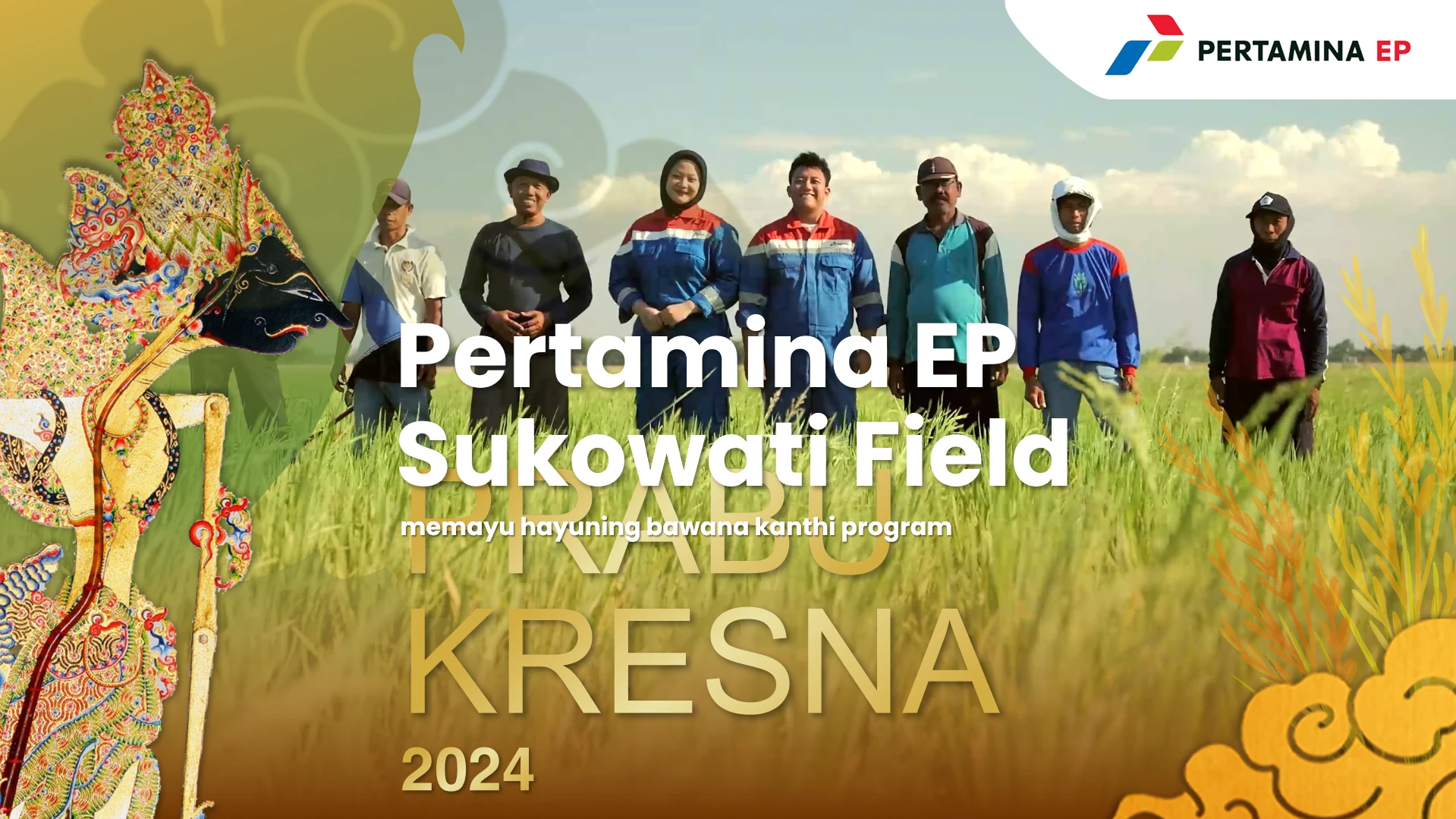
The CIP 2024 deck used an energy landscape in pink and violet, colours we took from the event’s visual identity. For APQ 2025 we made a completely new theme: a golden wayang on black batik, beside photographs of the team at work in the field.
A new theme does two things. The deck does not feel like a repeat to panel members or participants who saw the earlier version. And its tone can match the stage the innovation has reached. For PC Prove 05, the APQ theme reads firmer and more mature than the CIP deck a year earlier.
A new theme does not mean losing the team’s identity. The team name, the innovation name and the field photographs carry the link to the earlier presentation.
What we added: evidence the panel can see
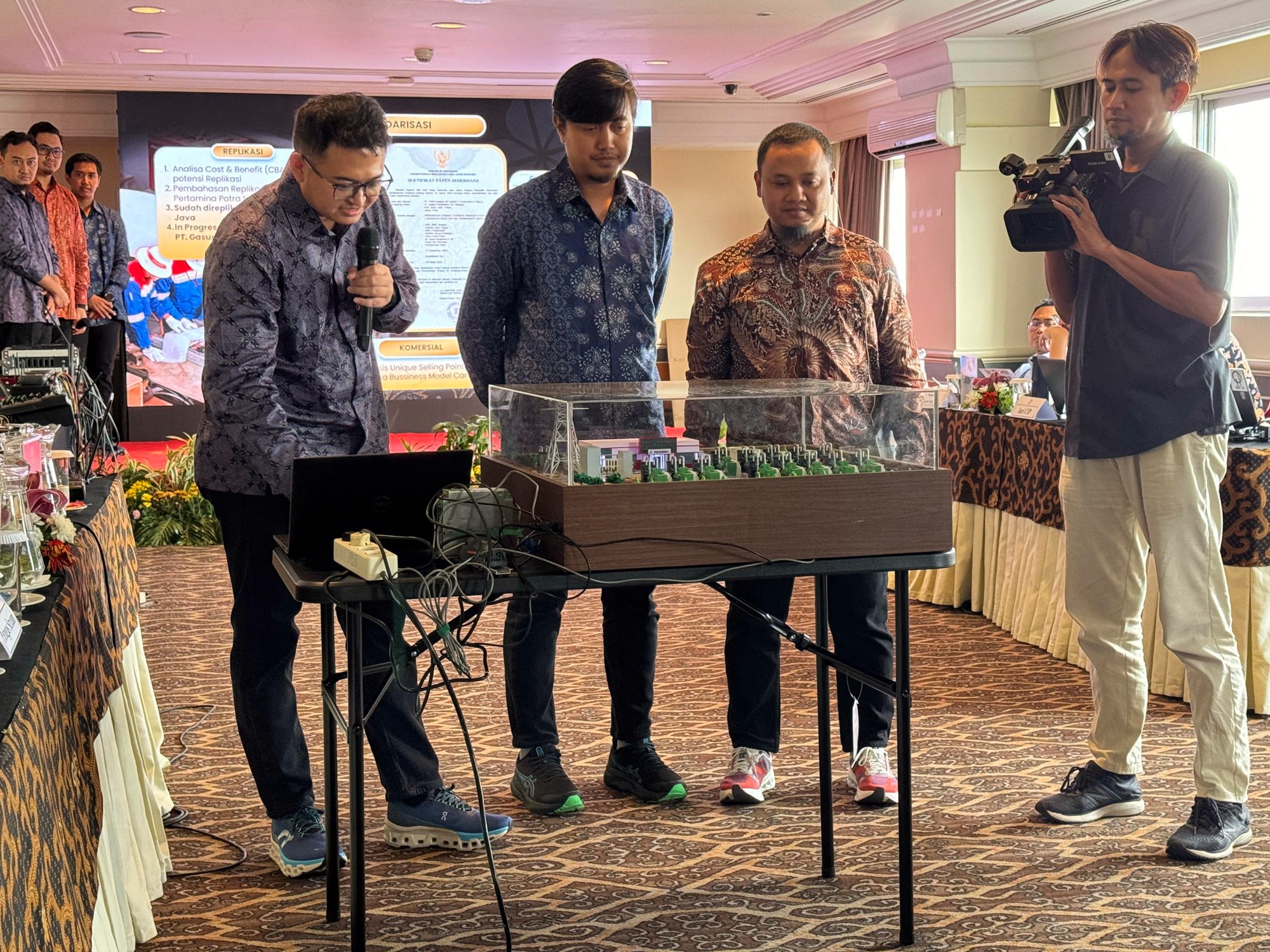
At APQ 2025, alongside the deck, we built an S-COS scale model that the team demonstrated in front of the panel. With a model, the innovation can be seen working from every side instead of imagined from a diagram.
We made it in four stages:
- 3D design: the layout of the gensets, the S-COS panel, the substation and the tanks is planned first as a 3D model.
- Building the parts: every genset and its unit label is made one by one, to scale.
- Assembly: the parts are assembled on the base, with red cable runs and indicator lights.
- Ready to show: the model is closed in an acrylic case with a wooden frame, ready for the judging room.
A model helps most when the innovation is physical and hard to explain on a slide, such as equipment, an installation layout or a workflow in the field. You can see photographs of the build in the PC Prove 05 at APQ 2025 case study.
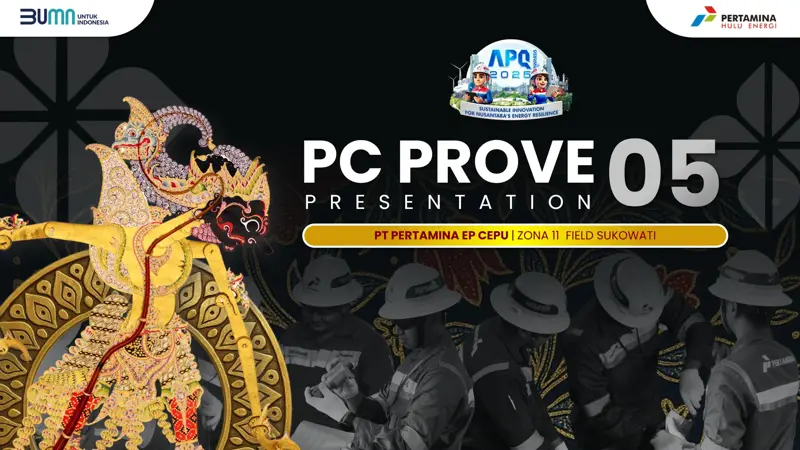 Case study · APQ 2025PC Prove 05, a year on at APQ 2025The same S-COS innovation, taken to the Annual Pertamina Quality Awards with a new deck and a new theme.Read the Case Study
Timing for the next stage
Because the storyline exists, a deck for the next event does not always start from zero. Even so, a new theme, the latest data and supporting material such as a scale model all take time. In our team a deck takes about four weeks from the initial discussion to the final file. If you need a model, mention it in the initial discussion so it can be built alongside the deck.
Summary
- Keep the storyline the panel knows, and update the data.
- Read the format and assessment criteria of the next event.
- Make a new theme that fits the stage the innovation has reached, with the team’s identity still visible.
- Consider a scale model or a demonstration if the innovation is hard to explain on a slide.
- Plan the deck and the model together from the start.
If your team’s innovation is moving to the next event, send us the previous deck, the event name and your presentation date. We will work out together what to keep and what to update. How we work with innovation teams is on our CIP presentation design page.